


What Are the Best Subaru Dealership Payment Plans?
What Are the Best Subaru Dealership Payment Plans? Exploring Subaru Financing Options and User-Friendly Auto Loan Programs
By Subaru Pembroke Pines, Subaru of Pembroke Pines. Choosing the right payment plan for a new car affects both your short-term budget and long-term costs. If you’re shopping for a Subaru, knowing the available financing types, payment structures, and incentives helps you pick the option that fits your finances. This guide explains the main Subaru dealership payment plans, the advantages of each, and how to use manufacturer offers to your benefit. You’ll find sections on financing for new and used Subarus, leasing programs, and tips to get the most from Subaru of Pembroke Pines’ offers. Beyond monthly payments, consider how financing fits into total cost of ownership: insurance, routine maintenance, fuel, and resale value. Financing choices change how those costs are spread over time and influence cash flow. Reviewing a sample amortization schedule or using an online estimator before you sign can clarify the tradeoffs between payment size and loan duration.
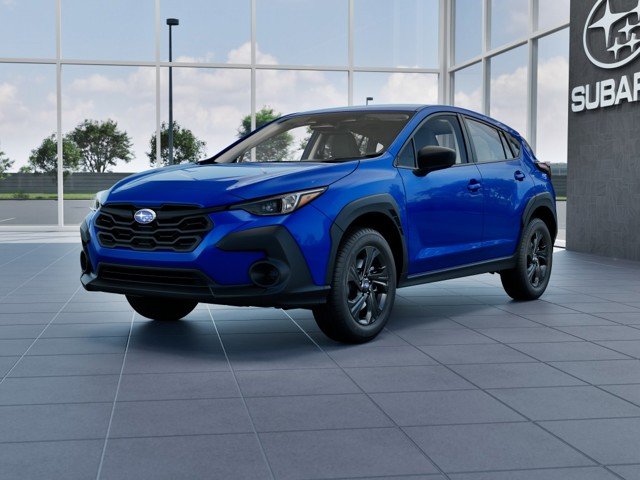
What New Subaru Financing Plans Are Available at Dealerships?
For new Subarus, dealerships like Subaru of Pembroke Pines offer several flexible financing paths to match different budgets and credit profiles. Knowing how each plan works makes buying simpler. Typical options include standard loans, promotional rates, and manufacturer incentives that can reduce your overall cost.
Which Loan Types and Interest Rates Are Offered for New Subaru Vehicles?
Subaru dealerships usually offer traditional financing and special manufacturer-backed financing. Interest rates depend on your credit and the vehicle model. Typical ranges you may see include the rates listed in the table above.
| Loan Type | Typical Interest Rate | Eligibility Criteria |
|---|---|---|
| Traditional Financing | 4.0% - 6.5% | Good to Excellent Credit |
| Special Financing Offers | 0.0% - 2.9% | Manufacturer Promotions |
Having multiple loan choices lets you match a plan to your monthly budget and long-term goals. Next, learn how special offers and incentives can lower those costs further.
When choosing a loan term, balance monthly affordability with long-term cost: shorter terms raise monthly payments but reduce total interest paid, while longer terms lower monthly payments but increase cumulative interest and can affect equity in the vehicle. Discuss term lengths with the finance team to see how each option changes your payment and total financed amount.
How Do Manufacturer Rebates and Incentives Affect New Subaru Payment Options?
Manufacturer rebates and incentives cut the vehicle’s purchase price or offer lower financing rates, which in turn reduce monthly payments or down payment needs. These incentives often come as cash rebates, promotional low-rate financing, or loyalty discounts for returning owners.
- Cash Rebates: Direct discounts applied to the vehicle's purchase price.
- Low-Interest Financing: Promotional rates offered during specific marketing campaigns.
- Loyalty Discounts: Savings for existing Subaru owners looking to purchase another vehicle.
Watching for current rebates and timing your purchase around promotions can increase your savings on a new Subaru.
In some cases dealers and manufacturers allow stacking of certain incentives with trade-in credits or loyalty programs; in other cases offers are mutually exclusive. Ask the dealer which incentives can be combined and request written details so you can compare net price scenarios when negotiating.
What Are the Best Payment Plans for Used and Certified Pre-Owned Subaru Vehicles?
Buying a used or certified pre-owned (CPO) Subaru can save you money, especially when you pick financing designed for those vehicles. Used-car financing differs from new-car finance, so it pays to understand the options available.
How Does Certified Pre-Owned Financing Differentiate from Standard Used Car Loans?
CPO financing often offers lower rates and longer terms than standard used-car loans because CPO vehicles come with inspections and extended warranties. Key distinctions include the differences noted below.
- Interest Rates: CPO loans may offer rates as low as 3.0%, while traditional used cars might range from 5.0% to 8.0%.
- Warranty Options: Most CPO vehicles come with manufacturer-backed warranties, enhancing value and peace of mind.
These benefits—lower rates and warranty coverage—can make CPO Subarus a better long-term value for many buyers.
Consider a simple scenario comparison: if you want lower risk and warranty protection, a CPO Subaru may cost a little more up front but reduce unexpected repair costs and provide greater resale confidence. If your priority is minimizing purchase price and you can accept more maintenance risk, a standard used vehicle might be preferable.
What Credit Guidelines and Loan Terms Apply to Used Subaru Payment Plans?
Dealerships set credit guidelines and loan terms for used Subaru financing. Common expectations include minimum credit thresholds, typical loan lengths, and recommended down payments.
- Credit Score Requirements: Generally, a score of 650 or higher is preferred, though alternatives might be available.
- Loan Duration: Terms can vary, usually ranging from 36 to 72 months based on the lender's criteria.
- Down Payment Percentage: A down payment of 10%-20% is often required to secure the best financing terms.
Knowing these requirements helps you prepare and improves your odds of getting favorable financing on a used Subaru.
Before applying, review your credit report for errors and bring documentation that explains any recent credit events. Lenders appreciate clarity about gaps in income or recent address changes, and early preparation can shorten approval time and improve the terms you’re offered.
How Do Subaru Lease Programs Compare to Loan Payment Plans?
Leasing gives you the option to drive a new Subaru every few years with typically lower monthly costs. Comparing leases to loan payments clarifies which path suits your habits and finances.
What Are the Typical Lease Terms, Mileage Limits, and Benefits at Subaru Dealerships?
Leases commonly run 24–36 months with mileage limits around 10,000–12,000 miles per year. Leasing perks include lower monthly payments, warranty-covered maintenance during the term, and the choice to buy or upgrade at lease end.
- Lower Monthly Payments: Leasing tends to result in lower payments compared to financing an equivalent vehicle purchase.
- Warranty Coverage: Most leases cover maintenance costs within the warranty period, reducing out-of-pocket expenses.
- Flexibility: At the end of the lease term, drivers have the option to purchase the vehicle or return it for a newer model.
If lower monthly cost and frequent upgrades matter to you, leasing can be an attractive alternative to buying.
Leasing works well for drivers who keep a vehicle in near-new condition and who stay within mileage limits. If you frequently drive long distances or prefer heavy customization, a financed purchase may avoid excess-charge risks at lease return. Discuss wear-and-tear and mileage allowances with the leasing manager to gauge likely end-of-lease costs.
When Should Customers Choose Leasing Versus Buying with a Loan?
Your choice depends on driving patterns and financial goals. Lease if you value lower monthly payments and new-car rotation; buy if you want long-term ownership and asset value.
- Driving Habits: Heavy drivers may incur overage charges on leases and thus prefer purchasing.
- Financial Goals: Buyers aiming for asset accumulation should consider financing over leasing.
Weigh these factors against your priorities to pick the option that suits your lifestyle.
Another consideration is flexibility at the end of the term: buyers who expect lifestyle changes — growing families, new commutes, or changing budgets — might prefer ownership for the freedom to sell or modify the vehicle at any time without lease-end penalties.
How Does the Financing Application and Approval Process Work at Subaru Dealerships?
Understanding the application and approval steps makes financing less stressful. Subaru dealerships aim to streamline the process and support buyers through each step.
Can Customers Use Online Tools to Apply for Financing Easily?
Yes—many dealerships provide online tools to simplify finance applications. Common features include pre-approval checks, loan calculators, and secure document uploads to speed approval.
- Pre-Approval Tools: Potential buyers can check eligibility before visiting the dealership, streamlining the process.
- Loan Calculators: Customers can estimate monthly payments based on vehicle price, down payment, and loan terms, aiding in budget planning.
- Document Upload Options: Digital submission of required documents accelerates the approval process.
These digital tools help you plan and move through financing faster and with fewer surprises.
Start with pre-approval to understand the rate range you can expect, then use that information to negotiate purchase price and trade-in value. Pre-approval also shortens the final paperwork stage at the dealership and gives you clearer leverage during negotiations.
What Credit Scores and Documentation Are Required for Loan or Lease Approval?
Ideal credit scores for the best terms are around 700 or higher. You’ll typically need proof of income, your SSN for credit checks, and ID to confirm identity and residency.
| Document Type | Purpose |
|---|---|
| Proof of Income | Verifies employment and earnings |
| SSN | Used for credit checks |
| ID | Confirms identity and residency |
Gathering these documents before you apply can speed approval and make the process smoother at the dealership.
If you have recent pay stubs, a letter from your employer, or supplemental income documentation, bring those as well. Self-employed applicants should prepare tax returns or bank statements to demonstrate consistent income. Clear documentation often reduces the need for follow-up and can shorten the approval timeline.
Which Manufacturer Incentives and Seasonal Offers Improve Payment Plans?
Manufacturer incentives and seasonal promotions often improve payment plans by cutting costs or offering better financing terms. These deals change through the year, so check current offers.
What Current Rebates and Discounts Are Offered on New Subaru Models?
Common promotions include cash rebates, loyalty discounts, and reduced-rate financing. Always ask about active offers when you visit, since availability varies by model and season.
How Do Incentives Influence Monthly Payments and Down Payment Requirements?
Incentives reduce the vehicle’s financed amount, which lowers monthly payments and can shrink the required down payment. For example, a $2,000 rebate reduces what you finance and directly cuts monthly costs.
When comparing offers, ask for a net cap cost worksheet or a written breakdown showing how discounts, trade-in values, and fees affect your financed amount. This transparent view helps you compare competing offers from different dealerships and ensures you aren’t overlooking fees that offset incentives.
Are There Financing Benefits Linked to Service Appointments and Maintenance Plans?
Some dealerships let you finance maintenance and combine service plans with vehicle financing, which can simplify budgeting and protect your vehicle long-term.
Can Customers Finance Vehicle Maintenance and Repairs Through Subaru of Pembroke Pines?
Yes—many dealerships, including Subaru of Pembroke Pines, let customers spread maintenance and repair costs over time. Options may include multi-month payment plans and occasional low-interest promotions on service financing.
- Payment Plans: Spreading repair costs over several months
- Low-Interest Promotions: Special offers for financing maintenance services
Financing service work can ease the burden of unexpected bills and keep your Subaru well maintained.
Some owners bundle scheduled maintenance packages into overall financing to keep predictable monthly obligations and ensure services are completed on schedule. Ask about pre-paid maintenance packages and whether their cost can be added to vehicle financing for consolidated monthly payments.
What Are the Advantages of Combining Service Financing with Vehicle Payment Plans?
Bundling service financing with vehicle payments offers convenience and can support long-term savings by keeping the car in good condition, which helps preserve its value.
- Convenience: Streamlined payments for both vehicle and maintenance services.
- Long-Term Savings: Regular maintenance through financing ensures vehicle longevity and performance, which saves money over time.
- Customer Satisfaction: Combined financing can foster loyalty to the dealership, as customers feel well cared for.
Seeing service and vehicle financing together helps you plan costs and get reliable care for your Subaru.
What Down Payment Options Are Available for Subaru Financing?
Dealerships accept a range of down payments. A 10–20% down payment is commonly recommended to lower monthly payments and total interest paid over the loan.
In addition to cash down, consider alternative down-payment sources like trade-in equity, manufacturer incentives applied at signing, and sometimes dealer-arranged third-party assistance programs. Combining these options can reduce the amount you finance without stretching your cash reserves.
How Can Customers Estimate Their Monthly Payments Before Applying?
Use online loan calculators or speak with finance staff at the dealership to estimate monthly payments based on price, down payment, and loan term. These estimates help you set a realistic budget before applying.
When estimating, include insurance premiums, estimated maintenance, and expected tax and title fees for a more accurate monthly cost projection. Bringing a clear budget to the dealership helps the finance team tailor options that match both monthly and total-cost goals.
How Can Customers Maximize Subaru Dealership Financing Offers in Pembroke Pines, FL?
To get the most from local offers, compare Subaru of Pembroke Pines’ promotions with national programs and prepare your finances to negotiate better terms.
What Steps Improve Loan Approval Chances and Lower Interest Rates?
Increase approval odds and lower rates by improving your credit, lowering your debt-to-income ratio, and offering a larger down payment to reduce lender risk.
- Improving Credit Score: Ensure your credit report is accurate and take steps to boost it if needed.
- Reducing Debt-to-Income Ratio: Lower existing debts relative to income can favorably impact lenders' perceptions.
- Higher Down Payments: Offering a larger upfront down payment can reduce lenders' risk, improving financing terms.
Following these steps gives you more negotiating power and access to better financing offers.
Also consider obtaining pre-approval from multiple lenders to compare rate offers and present competitive options to the dealership’s finance team. Having multiple offers can result in better final terms and clarify what a realistic rate looks like for your credit profile.
How Do Local Dealer Offers Compare with National Subaru Financing Programs?
Local dealers like Subaru of Pembroke Pines may run promotions that differ from national programs. Always ask about local incentives to ensure you’re comparing the best available rates and terms.
Understanding both local and national options helps you choose the financing package that best fits your situation.
Frequently Asked Questions
1. What should I know about financing a Subaru with poor credit?
You can still finance a Subaru with poor credit, but expect higher rates and stricter terms. Dealerships often have programs for lower-credit buyers. Check your credit report, pay down debts if possible, and consider a co-signer to improve your options.
Additionally, explore specialized lenders that work with challenged-credit profiles and ask the dealer about gradual refinance options that let you replace the original loan later if credit improves.
2. Are there specific financing promotions for military personnel and veterans?
Yes. Many Subaru dealerships offer special financing or rebates for military personnel and veterans. Tell the dealer about your status and ask which promotions apply—these offers can make a meaningful difference in affordability.
Proof of service may be required to qualify for military offers; bring appropriate documentation and verify whether such incentives are stackable with other rebates.
3. How can I determine the best time to buy a new Subaru?
Look for seasonal sales, end-of-month deals, and model-year clearance events. Manufacturer incentives often coincide with holidays or year-end sales, so timing your purchase around those windows can increase savings.
If you have flexibility, check inventory levels and remain patient until an offer aligns with your target model and price; sometimes a small wait delivers much better incentives.
4. What is the process of refinancing an existing Subaru loan?
Refinancing means taking a new loan to replace your current one, usually to get a lower rate or payment. Review your credit, compare offers from lenders, then submit an application with the chosen lender and provide the required documents to complete the refinance.
Before refinancing, compare remaining loan balance, remaining term, and any prepayment penalties versus the potential savings from a new rate to ensure the refinance makes financial sense.
5. Are there penalties for paying off my Subaru loan early?
Many Subaru loans don’t charge prepayment penalties, so you can pay off the loan early and save on interest. Still, check your loan agreement or ask your lender to confirm before making extra payments.
If the loan allows extra payments without penalty, consider periodic lump sums or increased monthly payments to shorten the loan term and reduce overall interest paid.
6. Can I trade in my current vehicle when financing a new Subaru?
Yes. You can trade in your current vehicle and apply its value toward your new purchase, which lowers the financed amount. Research your trade-in value beforehand and have documents ready to speed the process.
Obtain multiple trade-in estimates and present them during negotiation; knowing your car’s market value prevents undervaluation and strengthens your position when structuring the new financing package.
7. What types of insurance are needed when financing a Subaru?
Lenders typically require comprehensive and collision coverage while you have a financed vehicle. Consider gap insurance too—it covers the difference between the car’s value and your loan balance if the vehicle is totaled. Review options to meet lender rules and protect your investment.
Request an insurance quote early in the buying process so you can include accurate premiums in your monthly budget and discuss any lender-required coverage limits with your insurer.