


Unlock Affordable Financing for Used Subaru Vehicles
Unlock Affordable Financing for Used Subaru Vehicles: Comprehensive Guide to Subaru Used Car Loans and Deals
By Subaru Pembroke Pines, Subaru of Pembroke Pines. Affordable financing for used Subaru vehicles opens more options for buyers. Whether you’re a first-time purchaser or upgrading, knowing your financing choices helps you make a smart decision. This guide walks through loans, offers, certified pre-owned benefits, application steps, payment tools and common questions so you can spot hidden costs and choose the best path.
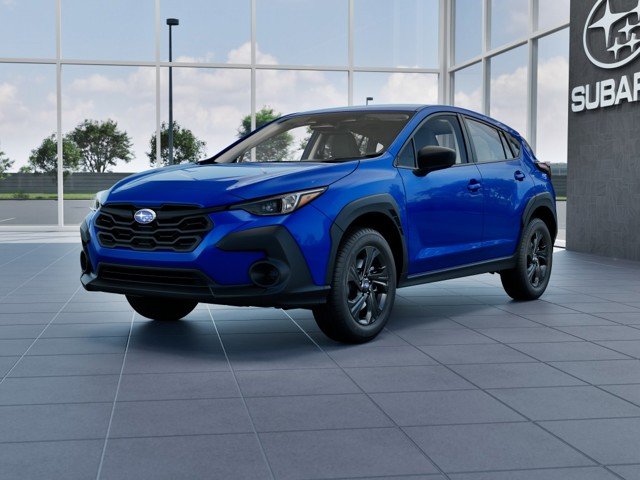
What Are the Best Financing Options for Used Subaru Cars?
Subaru and its partner lenders offer multiple financing routes to fit different budgets. Compare bank loans, credit unions and dealership programs to weigh pros and cons and secure the most favourable terms before you commit.
When choosing among lenders, consider these factors: the interest rate (or APR), loan term length, required down payment, fees, prepayment penalties and flexibility for late payments. Credit unions often offer lower rates to members, while banks can provide predictable service and online account integration. Dealership financing can be convenient and may package incentives, but always read the loan disclosures so you understand total cost and any add-on products. Preparing a short checklist of priorities—lowest monthly payment, lowest total interest, flexible payoff options—will help you compare accurate offers from different lenders.
It also helps to get pre-approved by one or more lenders before visiting a dealership. Pre-approval establishes a baseline rate and maximum loan amount, which strengthens your negotiating position and prevents surprises when you choose a vehicle. Remember: pre-approval does not obligate you to use that lender; it simply gives you information and leverage during discussions.
How Do Subaru Used Car Loans Work at Subaru of Pembroke Pines?
Subaru of Pembroke Pines finances used cars through the dealership and partner lenders. You complete an application, they review your credit and finances, and loan amounts are based on the vehicle’s value. You can select terms that match your budget, and the dealership aims to offer competitive rates.
At the dealership, loan processing usually includes an assessment of your credit, employment verification and confirmation of income. The dealership will evaluate the vehicle’s condition and history to set the loan-to-value (LTV) ratio—how much they will lend relative to the car’s appraised price. A lower LTV (for example because of a larger down payment or trade-in value) usually results in better financing terms. The dealer will present offers from partner lenders and explain optional add-ons like extended warranties, GAP insurance or service plans. Consider each add-on carefully; sometimes these can be cheaper when purchased independently.
If you prefer to keep the purchasing and financing steps separate, you can negotiate the purchase price first and finalize financing afterwards. That approach reduces the chance that convenience will override a thorough rate comparison. Take copies of the finance charge disclosures and the annual percentage rate (APR) for any loan you are offered, and compare the total finance cost over the loan term before signing.
Which Affordable Subaru Used Car Deals Are Currently Available?
Subaru regularly runs promotional financing that can lower your overall cost—examples include reduced interest rates or cash-back incentives. Monitoring current offers helps you apply savings directly to the purchase of a used Subaru.
Promotions change seasonally and by region, so check the dealership’s website and ask the finance team about current manufacturer-supported deals. Some incentives are tied to certified pre-owned status or specific model years. If you find an advertised deal, request the full terms in writing to confirm eligibility, required documentation and any trade-offs (for example, accepting a reduced rate in exchange for a smaller rebate).
How Does Subaru Certified Pre-Owned Financing Benefit Buyers?
Buying a certified pre-owned (CPO) Subaru brings clear financing advantages. CPOs undergo detailed inspections, which supports reliability and resale value, and they often qualify for special financing terms tied to the certification.
CPO vehicles typically include a manufacturer-backed warranty, a detailed inspection checklist and sometimes roadside assistance. Because CPO cars generally pose less risk for the lender, they can be eligible for lower APRs or longer warranty-backed finance programs. From the buyer’s perspective, these benefits reduce uncertainty and may lower long-term ownership costs. When comparing a CPO offer to a standard used-car loan, factor in the reduction in unexpected repair expenses as part of the decision.
What Makes Subaru Certified Pre-Owned Vehicles Eligible for Special Financing?
To qualify as CPO, a Subaru must meet age and mileage limits and pass a thorough inspection. CPO vehicles carry the manufacturer’s backing and usually include extra warranties and flexible financing designed for buyers prioritising quality.
The inspection process is intended to catch mechanical issues, document the vehicle’s condition and verify service history. Lenders and the manufacturer see this independent verification as a lower credit risk, which is why they can attach favourable financing terms. If you choose a CPO Subaru, request the inspection report and warranty documentation and verify exactly which components are covered and for how long.
What Manufacturer Incentives and Manufacturer-Backed Programs Can You Use?
Manufacturer incentives can include low APR financing, extended warranties or special lease offers that improve affordability. Ask about these programs during purchase to identify savings that match your situation.
Typical manufacturer-backed incentives for used vehicles may apply only to certified units, certain model years or buyers with qualifying credit. When evaluating an incentive, clarify whether it is applied as a cash rebate off the sale price, a reduced interest rate, or a package that includes warranties or service. Sometimes incentives are combinable; other times you must choose between a cash rebate and a low-rate finance offer. Running the numbers for both scenarios reveals which saves more money in total.
How Can You Apply for Used Subaru Vehicle Financing?
Applying for financing at Subaru of Pembroke Pines is straightforward. Knowing each step helps speed approvals and produce offers tailored to your needs.
Before applying, gather documentation and check your credit report. Preparation shortens processing time and reduces back-and-forth requests for verification. Many dealerships offer online applications where you can submit basic details and receive a response quickly; bring originals or certified copies of documents to finalize the loan in person.
What Is the Step-by-Step Auto Loan Application Process at Subaru of Pembroke Pines?
The usual process: complete a finance application with personal and financial details, the dealership reviews your credit and eligibility, you may receive pre-approval to set limits, then pick a vehicle and finalise loan terms so you understand your commitments.
Typical stages are:
- Initial inquiry or online application to start pre-approval.
- Document submission and identity verification (ID, proof of residence, paystubs).
- Credit check and lender underwriting to set proposed APR and term options.
- Vehicle selection and negotiation of purchase price, trade-in value and any add-ons.
- Final loan paperwork signing, arranging payment or setting up monthly payment method.
- Delivery of the vehicle and copies of the loan contract and disclosures.
Ask the finance manager to walk through the loan contract line by line. Confirm the APR, finance charges, payment schedule, any deferred payment arrangements and whether there are prepayment penalties. Keep a copy of all signed documents for your records.
Which Documents and Credit Requirements Are Needed to Approve Your Loan?
Expect to provide ID, proof of income and possibly credit history documents. Requirements vary, but a stronger credit score typically yields better terms. Bring payslips or tax returns to verify income and improve approval chances.
- Primary ID: government-issued photo ID (driver’s license or passport).
- Proof of residency: utility bill or lease agreement.
- Income verification: recent pay stubs, bank statements, or tax returns for self-employed applicants.
- Proof of insurance: many lenders require evidence of active auto insurance before handing over the keys.
- Vehicle documents: VIN, mileage, and title or trade-in documentation if applicable.
If you have gaps in documentation or a non-standard income source, communicate these early; many lenders have procedures for verifying alternative income. If your credit score is borderline, a larger down payment, a co-signer or a trade-in can help secure approval with better terms.
What Payment Planning Tools Help Manage Used Subaru Auto Loans?
Good payment planning helps you avoid missed payments. Subaru offers tools to estimate monthly costs and compare loan scenarios so you can budget confidently.
Using calculators and budgeting templates before you sign prevents surprises. Beyond monthly payment projections, estimate other ownership costs such as fuel, insurance, routine maintenance and unexpected repairs. This holistic budgeting approach ensures the loan fits into your monthly cash flow without stretching other financial responsibilities.
How Do Auto Loan Calculators Help You Estimate Monthly Payments and Loan Terms?
Auto loan calculators show likely monthly payments by entering the vehicle price, down payment, loan term and interest rate. They let you test different scenarios and choose terms before signing a loan.
When using a calculator, try these variations to understand the trade-offs:
- Increase the down payment to see the immediate reduction in monthly payment and total interest.
- Shorten the loan term to evaluate how much faster you build equity and how much interest you save overall.
- Raise the APR to model how rate changes affect total cost, especially if your credit score might improve over time and refinancing later is an option.
Save screenshots or printouts of scenarios you like and bring them to the finance meeting. This demonstrates preparedness and helps the finance team match offers to the parameters you prefer.
What Are Typical APRs, Down Payments, and Loan Lengths for Used Subaru Loans?
Used Subaru APRs vary by credit score; typical ranges may be about 3.9% to 7.9%. Down payments commonly range from 10–20% of the purchase price, and loan terms usually run from 36 to 72 months. Knowing these figures helps you plan payments and compare offers.
Longer loan terms reduce monthly payments but often increase total interest paid. Shorter terms raise the monthly payment but lower total interest and shorten the time you owe on the vehicle. Aim for a balance between monthly affordability and minimizing interest costs—often a term that fits comfortably with your monthly budget while avoiding excessive total finance charges is the best compromise.
How Do Location and Dealership Services Support Affordable Financing?
Your dealership’s location and services shape the financing experience. Subaru of Pembroke Pines offers localised support and can connect you with suitable programs for your area.
Local market conditions can affect pricing and available incentives. For example, seasonal demand, regional inventory levels and local tax or registration fees will change the final purchase cost. A local dealership often knows community-specific programs, local lender relationships and state incentives that may not appear in national advertising. If you plan to finance locally, ask the dealership about regional offers and whether nearby credit unions participate in special programs.
Why Choose Subaru of Pembroke Pines for Your Used Subaru Financing Needs?
Subaru of Pembroke Pines provides personalised service and competitive in-house financing. Their staff can help you find options that match your needs and may point out programs that aren’t widely advertised to maximise savings.
When choosing a dealership, prioritize transparent fee disclosure and clear communication. A responsive finance department that explains trade-offs and avoids pressure tactics will help you make a confident decision. Read reviews about their post-sale service and support, because a positive financing experience should be paired with reliable maintenance and claims handling during ownership.
Can Service Appointments Include Maintenance Financing Options?
Yes. Maintenance financing at service appointments can spread the cost of larger repairs or planned work, letting you keep the vehicle reliable without a big immediate expense.
Ask the service department about short-term payment options, promotional financing on approved repair plans, or deferred payment plans if you face an unexpected repair. Compare the finance rate for maintenance to other options such as using a credit card or a personal loan. In some cases, spreading the repair cost makes sense if the financing rate is low and it prevents postponing necessary maintenance that could lead to larger costs later.
What Are Common Questions About Financing Used Subaru Vehicles?
Buyers commonly ask about eligibility, expected costs and how incentives change loan terms.
Other frequent concerns include whether to finance through the dealership or an outside lender, how to handle a trade-in, the benefits of GAP insurance, and when refinancing is worthwhile. Addressing these topics in advance reduces stress at signing and helps you identify the most cost-effective route.
What Credit Score Is Required to Finance a Used Subaru?
A credit score of about 660 or higher is generally favourable for good financing terms. Applicants with lower scores can still qualify but may face higher interest rates. Check and improve your credit before applying when possible.
If your score is below the favourable threshold, consider the following steps before applying: pay down high-interest debts, bring recent evidence of steady income, correct any errors on your credit report, and save for a larger down payment. You can also shop rates with a co-signer or ask the dealer about programs for less-established credit histories. Just be aware that co-signing transfers risk to the co-signer and should be approached carefully.
How Do Manufacturer Incentives Affect Used Subaru Loan Rates?
Manufacturer incentives can significantly affect loan rates and terms. Low-interest offers and cash-back incentives reduce overall financing costs, so discuss available incentives with the dealership’s finance team.
Understand whether an incentive is applied on top of a negotiated price or if it requires you to accept certain finance conditions. Always calculate the total savings across the term of the loan rather than focusing only on the monthly payment. A rebate applied to the purchase price could reduce your principal and thus save more interest than a slightly lower monthly payment offered with a longer term.
Frequently Asked Questions
Are there specific financing options available for first-time buyers interested in used Subarus?
Yes. First-time buyers often qualify for programs with lower down payments and more flexible credit criteria. Dealerships like Subaru of Pembroke Pines design these options to help new buyers build credit while owning a reliable used Subaru.
First-time buyer programs may include educational resources, longer introductory terms or starter finance packages that gradually improve your options as on-time payments build credit history. If you are a first-time buyer, ask which programs require proof of stable income rather than a long credit history and whether there are incentives for completing a financial literacy session.
What should I know about refinancing my used Subaru loan?
Refinancing can lower your monthly payment or interest rate if your credit improves or market rates fall. It replaces your current loan with a new one, so compare savings against costs like prepayment penalties to ensure it’s worth doing.
When considering refinancing, compare the new APR, any fees for the new loan, the remaining principal on your current loan and possible early payoff penalties. If refinancing shortens the loan term and reduces APR, you may save significant interest. If you extend the term to lower monthly payments, make sure the additional interest cost over time is acceptable.
How can I improve my chances of loan approval for a used Subaru?
Boost approval odds by improving your credit score, reducing outstanding debts and supplying accurate financial documents. A steady income and a larger down payment also strengthen your application.
Other practical steps include obtaining a pre-approval letter, securing a co-signer if needed, trading in a vehicle to reduce the financed amount, and choosing a CPO vehicle if you can—lenders may view CPOs favorably. Demonstrating stable employment and fewer outstanding obligations is especially helpful.
What additional costs should I consider when financing a used Subaru?
Beyond the loan, budget for sales tax, registration, insurance and maintenance. For certified pre-owned vehicles, include possible warranty coverage and servicing plans when calculating total cost.
Also allow for: title and registration fees, documentation fees charged by the dealership, state or local taxes, license plate costs, routine maintenance (oil changes, brake pads), seasonal expenses (tires, inspections), and potential repair items not covered by warranty. If you purchase gap insurance or an extended service contract through the dealer, include those premiums in your monthly or upfront calculations.
Can I trade in my old vehicle when financing a used Subaru?
Yes. Using a trade-in as a down payment lowers the financed amount. Research your old vehicle’s market value beforehand to negotiate the best trade-in offer.
Get multiple trade-in estimates from online services and local dealers before negotiation. Remove personal items and make minor repairs that increase the perceived value. If you have a loan balance on your current vehicle, determine whether you owe more than the trade-in value—negative equity can be rolled into the new loan, but that increases your financed principal and monthly payment.
What are the benefits of opting for a longer loan term on a used Subaru?
A longer term reduces monthly payments and improves short-term affordability, but it usually increases total interest paid over the loan’s life. Choose it if monthly cash flow matters more than overall interest costs.
Consider a hybrid approach: select a term that keeps payments manageable but make extra principal payments when possible. That reduces interest costs without committing to a higher fixed monthly burden. Ensure the loan allows extra payments without penalties.