


Subaru Lease vs Buy: Which Is Right for You?
Subaru Lease vs Buy: Which Is Right for You? Comprehensive Guide to Leasing, Buying, and Financing Subaru Vehicles in Pembroke Pines
By Subaru Pembroke Pines, Subaru of Pembroke Pines. Deciding whether to lease or buy a Subaru affects both your budget and daily driving. This guide compares leasing and buying for drivers in Pembroke Pines, with attention to the model year. Leasing often means lower monthly payments and more frequent access to new tech, while buying builds equity and can be a stronger long-term investment. Below, you’ll find the key leasing benefits, ownership perks, financing options at Subaru of Pembroke Pines, and how to apply for the best local deals.
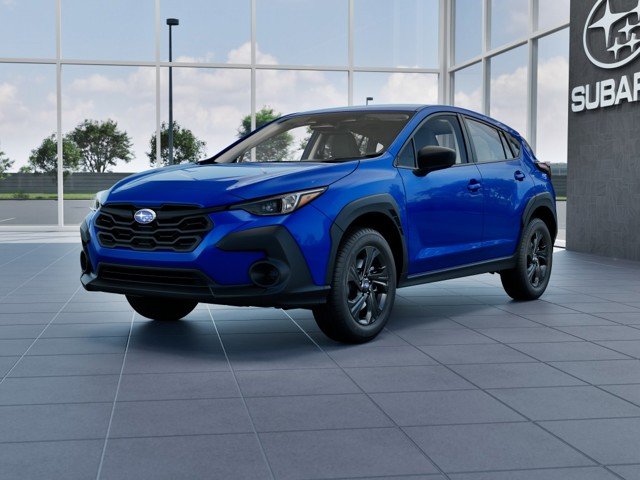
What Are the Key Benefits of Leasing a Subaru in Pembroke Pines?
Leasing in Pembroke Pines gives you flexibility and typically lower monthly payments so you can drive newer models with updated features without a large financial commitment.
Leases also let you upgrade every few years, which is ideal if you value the latest safety and infotainment improvements. Businesses may see tax advantages from leasing, making it a practical financial choice for some renters.
For many local drivers, leasing reduces the hassle of selling a trade-in and simplifies budgeting: predictable monthly payments and defined end-of-term options make planning easier. This predictability can be especially helpful for households balancing mortgage, school, or work-related expenses.
Leasing may also make it simpler to access higher trims or options you might not otherwise choose to buy outright. If you prefer a well-equipped model with advanced driver assists and upgraded infotainment, leasing can spread the cost of those features over a shorter term.
How Does Leasing Offer Flexible Vehicle Upgrades and Lower Monthly Payments?
Leasing lets you drive new Subaru models with smaller upfront costs and lower monthly payments than buying. Most leases run two to three years, so you can switch to a new model without selling a used car. Leased cars are often covered by warranty, which can reduce maintenance expenses during the term.
Many Subaru models add meaningful safety and tech upgrades each year. Leasing lets you benefit from those improvements without committing to long-term ownership—an appealing option if you want the newest features.
Because leases cover only the vehicle’s expected depreciation during the term, monthly payments typically reflect that shorter usage window. That structure is why payments tend to be lower compared with financing the full purchase price. If you enjoy changing vehicles frequently, leasing reduces the initial outlay and simplifies the move to the next model.
Consider your typical ownership cycle: if you like changing cars frequently to get new safety technology, active-safety updates, or the latest infotainment systems, leasing supports that behavior while keeping service obligations limited by warranty coverage.
What Local Subaru Lease Specials and Incentives Are Available?
Subaru of Pembroke Pines offers lease specials that may include reduced monthly payments, zero-down options, and flexible mileage plans. Promotional events can feature special rates on models like the Outback and Forester, making them easier to lease. Contact the dealership to review current offers and how they apply to your situation.
Dealership specials can change frequently, so checking available incentives before you visit is important. Specials may also vary by model, trim, and availability; some promotions are limited-time or tied to inventory and model year clearance efforts.
When comparing offers, ask whether advertised payments include taxes, fees, or required security deposits. Confirming what is—and is not—included in a promotional lease helps you compare true out-of-pocket costs and avoid surprises at signing.
If you have a trade-in or dealer incentives, ask how those items factor into lease calculations. In some cases a trade-in or loyalty incentive can reduce your due-at-signing amount or lower monthly payments, depending on the promotion’s terms.
What Are the Advantages of Buying vs Financing a Subaru?
Buying a Subaru delivers long-term value through equity—you own an asset that can be traded or sold later. Ownership also removes mileage limits and end-of-lease charges.
Owners can personalise their vehicles and, once the loan is paid off, enjoy years without monthly payments, which often leads to long-term savings.
Buying makes sense when you expect to keep a vehicle beyond typical lease lengths. Over time, the upfront investment can be offset by years of payment-free driving and potentially higher resale value when you trade or sell the vehicle.
Additionally, financing gives you more flexibility for customisation and after-market upgrades. If you plan to install accessories, tow regularly, or modify the vehicle, ownership avoids lease restrictions and end-of-lease penalties for unauthorized changes.
How Does Ownership Build Equity and Provide Long-Term Value?
Each payment on a purchased Subaru reduces your loan balance and increases your equity—the vehicle’s market value minus what you owe. That equity gives you options when you sell or trade in.
Owning usually becomes more economical over many years, especially if you drive a lot and avoid lease overage fees. Over time, total ownership costs can compare favorably with repeated leasing.
Equity can be tapped for a trade-in down payment on a future vehicle, which may reduce the amount you need to finance later. If you maintain the vehicle well, good condition and service records typically support stronger resale value.
When comparing long-term value, account for depreciation patterns and local market demand for Subarus. Models that retain value well can make ownership a smart financial decision for drivers planning to keep vehicles five years or longer.
What Financing Options Does Subaru of Pembroke Pines Offer for New and Certified Used Vehicles?
Subaru of Pembroke Pines provides financing for new and certified used vehicles with competitive rates, flexible terms, and special programs for qualified buyers.
To apply, you’ll need documents like proof of income, residence, and credit information. The dealership guides customers through the process and can point out current financing promotions on select Subaru models.
Financing options often include a variety of loan terms to suit different budgets. Shorter loan terms raise monthly payments but lower total interest paid, while longer terms reduce monthly payments at the cost of more interest. Discuss options with the finance team to find a balance that works for your budget and goals.
Certified pre-owned Subarus typically come with extended warranties and inspection reports. Financing a certified vehicle can combine lower purchase prices with quality assurances, making them an appealing middle ground between new and standard used cars.
How Do Leasing and Buying Costs Compare for Popular Subaru Models?
Comparing leasing and buying requires looking at total costs over the vehicle’s lifecycle. Costs vary by model, driving habits, and how long you plan to keep the car.
To make this comparison clearer, we included a table showing typical monthly payments and total purchase costs for selected Subaru models.
| Model | Payment Type | Cost |
|---|---|---|
| Subaru Outback | Lease | $289/month |
| Subaru Outback | Purchase | $32,000 total |
| Subaru Forester | Lease | $269/month |
| Subaru Forester | Purchase | $30,500 total |
| Subaru Crosstrek | Lease | $299/month |
| Subaru Crosstrek | Purchase | $31,000 total |
This table highlights the different financial outcomes so you can weigh short-term savings from leasing against long-term value from buying.
When weighing the numbers, create a side-by-side comparison that accounts for down payment, taxes, registration, insurance, typical maintenance, and any anticipated over-mileage fees. Include expected ownership or lease length in your analysis so the totals align with your real plans.
Also consider how often you replace vehicles. If you lease repeatedly, add acquisition and disposition fees into your multi-year calculation. If you buy and keep the car for many years, factor in increased maintenance and potential repair costs after warranty expiration.
What Are Typical Monthly Payments and Total Costs for a Subaru Outback Lease vs Purchase?
An Outback lease often runs about $289 per month, while purchasing the vehicle totals roughly $32,000. That payment gap makes leasing attractive for drivers who prioritise lower short-term costs.
With a lease, monthly payments cover a portion of the vehicle’s cost rather than the full purchase price, reducing upfront expense. If immediate affordability is your priority, leasing can make newer models more attainable.
To decide, estimate how long you plan to drive the car and how many miles you put on it annually. If you expect to drive well above typical mileage allowances, the long-term costs of buying may be lower once you factor in excess-mileage charges on a lease.
Also compare insurance costs: some leased vehicles have specific insurance requirements that can raise premiums. Confirm coverage expectations before signing a lease or committing to a loan.
How Do Leasing Terms Affect Overall Expenses for Models Like the Forester and Crosstrek?
Leasing costs for the Forester or Crosstrek depend on terms like mileage limits and lease length. A Forester lease might be about $269 per month, but mileage overages or shorter terms can increase final costs.
Other model-specific expenses—such as insurance or maintenance—also affect overall cost. Match lease terms to your driving patterns to avoid unexpected charges.
Some drivers prefer a compact model like the Crosstrek for city driving and lower running costs. Others value the Forester’s interior space for family or cargo needs. Choose a model that aligns with your regular driving tasks to keep both satisfaction and total cost in check.
Ask the dealer for sample lease worksheets showing how monthly payments were calculated. Reviewing the capitalized cost, residual value, money factor, and fees clarifies where your money goes and helps you compare offers across models.
What Are the Maintenance and Service Considerations for Leased vs Owned Subarus?
Maintenance obligations differ for leased and owned Subarus. Lease contracts often outline required service to avoid end-of-lease fees, while owners control their maintenance schedule and provider choices.
Leases may include service packages that help manage routine costs. Ownership shifts full responsibility for long-term maintenance and can increase costs as the vehicle ages.
Whether you lease or own, keeping a documented service history preserves value. For owners, documented maintenance supports stronger resale. For lessees, following service intervals helps avoid end-of-lease condition charges.
Many Subaru owners in South Florida choose service plans that factor in climate-related needs such as brake inspections and air-conditioning checks. Regular inspections aligned with manufacturer recommendations prevent small issues from becoming expensive repairs.
How Does Subaru of Pembroke Pines Support Service Appointments for Leased Vehicles?
Subaru of Pembroke Pines offers a streamlined appointment process for leased vehicles. Lessees are advised to schedule regular maintenance to keep their cars in top condition. The service team handles inspections and necessary repairs to simplify ownership.
Regular service helps prevent larger issues and keeps you compliant with lease terms, which may include specific maintenance requirements.
The dealership’s service advisors can explain which items are covered by warranty and which are the lessee’s responsibility. They can also recommend pre-return inspections so you can address wear items before the lease-end inspection, potentially reducing end-of-lease charges.
If you travel frequently or use the vehicle for work, ask about multi-point checks and service reminders to keep maintenance on schedule. Proactive service can protect your deposit and reduce unexpected end-of-term costs.
What Maintenance Responsibilities Differ Between Leasing and Buying?
Lease agreements spell out routine maintenance expectations to avoid end-of-lease charges; common items include oil changes and tire rotations. Failing to follow those guidelines can lead to fees.
Owners choose when and where to service their vehicles, offering flexibility but also requiring diligence to maintain value and performance over time.
Owners should budget for periodic items that occur beyond warranty coverage, such as battery replacement, brake service, and tires. While these costs can be anticipated, they still add to long-term ownership expenses compared with short-term leased use under warranty.
For both lessees and owners, keeping tires correctly inflated, following scheduled oil changes, and addressing minor repairs promptly helps preserve vehicle condition and reduce larger repair bills later.
How Can You Apply for the Best Subaru Lease Deals and Financing Options Locally?
Applying for local Subaru leases and financing is straightforward with clear steps from Subaru of Pembroke Pines. The dealership helps you find offers that fit your budget and driving needs.
Being prepared with required documents and responsive to follow-up questions speeds up approval and improves your chances of securing attractive terms.
Before applying, review your current budget and monthly obligations so you know what payment range fits your finances. Having a clear target payment and down payment amount improves negotiations and streamlines the dealer’s ability to present appropriate offers.
Also consider getting a soft credit check or preapproval before engaging dealership negotiations. Preapprovals help you understand realistic financing options and strengthen your bargaining position when choosing between leasing and buying.
What Is the Process to Apply for Subaru Lease Specials at Pembroke Pines?
Start by reviewing current lease specials and collecting documents like proof of employment, income, and driving history. Accurate preparation makes the application smoother.
You can begin the application online or at the dealership, discuss terms and incentives with staff, and complete the process with their assistance.
When reviewing lease offers, ask about required documentation at signing, any refundable or non-refundable fees, and what constitutes acceptable wear and tear. If you rely on the vehicle for work, discuss higher mileage allowances to avoid costly overage charges later.
If you expect life changes during the lease term—changes in commute or family size—discuss early termination and transfer options. Understanding these policies up front reduces the risk of unexpected costs.
How to Submit a Financing Application for a New or Certified Used Subaru?
Gather financial documents—tax returns, bank statements, and proof of income—before submitting a financing application for a new or certified used Subaru.
Apply online or at Subaru of Pembroke Pines. After submission, you’ll typically receive a preapproval decision and can then compare financing plans that match your needs.
When comparing loan offers, evaluate annual percentage cost, loan term, and any prepayment penalties. Shorter terms generally cost less in interest over time, while longer terms reduce monthly payments but increase total interest paid.
If you plan to trade in a vehicle, obtain an appraisal beforehand and consider separate negotiation tracks for your trade and the new purchase to ensure transparency of value and incentives.
What Are the Cost Differences Between Leasing and Buying a Subaru?
The main cost difference is payment structure: leasing usually means lower down payments and monthly costs, while buying requires a larger upfront payment and higher monthly loan payments.
Leases also carry potential end-of-lease fees for excess mileage or wear and tear. Purchased vehicles stop having monthly payments once the loan is repaid, allowing for years of lower ownership costs afterward.
Other cost differences include insurance requirements, possible gap insurance needs for leased vehicles, and potential acquisition, disposition, or early-termination fees associated with leases. Owners must budget for repairs once factory warranty coverage ends.
To compare total ownership cost, create a multi-year cash-flow table that includes payments, maintenance, insurance, and expected resale or trade-in value. That approach shows the true long-term financial trade-offs between leasing and buying.
Can I Buy My Subaru After Leasing It?
Yes. Many leases include a buyout option at a predetermined price set in the contract. Purchasing the car at lease end makes sense if you want to keep the vehicle.
Decide based on the car’s condition, its market value, and your finances at lease end to determine if buying is the right move.
Before exercising a buyout, compare the buyout price to current market values and consider any remaining warranty coverage and upcoming maintenance needs. If the buyout is a good value relative to market prices, keeping the car can be a cost-effective choice.
If you plan to buy the vehicle at lease end but still want new-car benefits, ask whether the dealer can roll the buyout into new financing at competitive terms to spread the cost and potentially lower monthly payments.
Which Subaru Models Are Best Suited for Leasing vs Buying?
Some Subaru models lend themselves more to leasing or buying depending on resale value, features, and buyer priorities. Evaluating each model helps match it to your needs.
Consider your priorities—resale value, passenger space, fuel economy, or cargo capacity—when deciding which models are better suited for leasing or buying.
How Do Ownership Costs Vary Across the Outback, Forester, and Crosstrek?
Ownership and leasing costs differ by model. The Outback’s strong resale value can make it a compelling purchase, while the Forester’s space and safety features suit family buyers. The Crosstrek’s compact size and lower payments often make it attractive to lessees.
Choose based on which benefits matter most—resale value, interior space, or lower monthly costs—to find the best fit for your budget and lifestyle.
Also compare the expected long-term maintenance profile for each model. Some buyers prioritise models with proven reliability records and straightforward maintenance needs to minimise ownership risk over many years.
If you anticipate heavy use—frequent towing or rough-road driving—factor those needs into whether to lease or buy. Ownership may be preferable for heavier use to avoid lease wear-and-tear charges and modification restrictions.
What Subaru Features Affect Lease Eligibility and Financing Terms?
Mileage allowances, vehicle age, and condition influence lease eligibility and financing terms. Features that improve resale value can also lead to better lease and loan options.
Newer models with advanced safety and tech may qualify for more favourable terms, and strong warranties can improve financing flexibility.
Optional packages and premium trims affect capitalized cost and resale expectations. When negotiating, confirm how optional equipment influences residual values and whether incentives apply to the specific trim you want.
Additionally, a clean vehicle history and diligent maintenance records can improve financing offers for certified used models and support higher trade-in values when you’re ready to move on.
How Does Leasing Impact Your Driving Experience and Vehicle Usage Compared to Buying?
Leasing and buying change how you use a car. Leases limit mileage and modifications but make upgrading easier. Ownership gives freedom to customise and keep the vehicle long-term.
Consider lifestyle and driving patterns: commuting distance, family growth, and weekend activities all influence whether lease restrictions or ownership freedom better serves your needs.
What Are Common Lease Restrictions and How Do They Affect Subaru Drivers?
Leases often include mileage limits—commonly 10,000 to 15,000 miles per year—and charges for excess miles. These limits can affect driving choices and should be estimated carefully before signing.
Leased vehicles are usually restricted from major modifications, which can be a downside if you plan to personalise your car. Match lease terms to your driving habits to avoid surprises.
If you foresee changing commute lengths or job-related travel, discuss flexible mileage allowances or options to pre-purchase additional miles at a discount. Planning ahead can reduce the risk of unexpected end-of-lease charges.
Also be mindful of wear-and-tear standards; small cosmetic damage may be more costly at return than routine maintenance. Addressing chips, dents, or interior stains proactively often costs less than lease-end repair charges.
How Does Vehicle Upgrade Flexibility Differ Between Leasing and Ownership?
Leasing makes upgrading to the latest models easy at lease-end, without selling a used car. That appeals to drivers who prioritise current tech and features.
Owners tend to keep cars longer, which can limit how often they access new features but offers advantages like trade-in value and eventual payment-free driving.
If you want to access new driver aids, connectivity options, or powertrain updates regularly, leasing provides a straightforward path. If you prioritise long-term cost efficiency and customisation, ownership tends to be the better fit.
When considering upgrades, evaluate how important the latest safety systems and infotainment features are to your daily driving. For some buyers, the incremental value of new tech justifies shorter ownership cycles; for others, long-term ownership provides the best financial outcome.
Frequently Asked Questions
1. What happens if I exceed my mileage limit during a lease?
Exceeding your mileage limit usually triggers per-mile fees at lease end. These charges can add up, so estimate your annual miles before signing. If you expect high mileage, consider a lease with a larger allowance or buying instead.
2. Are there penalties for early termination of a lease?
Yes. Ending a lease early often comes with penalties, which can include paying the remaining lease balance or additional fees. Review your contract and talk with the dealership to understand your options if you need to end a lease early.
3. How does vehicle condition affect the final lease payment?
Vehicle condition matters at lease return. Leases set wear-and-tear standards; excessive damage can result in extra charges. Maintain the car and fix minor issues before returning it to avoid surprises.
4. Can I negotiate the terms of my lease?
Yes. Dealerships often negotiate monthly payments, mileage limits, and down payments. Knowing current offers from Subaru of Pembroke Pines and coming prepared helps you secure better terms.
5. What should I consider when determining the right lease term?
Pick a lease term based on your driving habits, budget, and how often you want to upgrade. Most leases run two to four years; shorter terms let you change cars more often, while longer terms may lower monthly costs.
6. Are lease purchase options available for all Subaru models?
Not every model may offer a lease-purchase option, but many popular Subarus do. The lease agreement will state whether a buyout is available and at what price—confirm these details if you plan to buy at lease end.
7. How do taxes and fees impact monthly lease payments?
Taxes and fees affect lease payments and may be charged monthly or upfront depending on local rules. Additional costs like acquisition or disposition fees can also apply. Ask for a full cost breakdown when negotiating a lease.