


Discover the Benefits of Subaru Leasing vs Buying
Discover the Benefits of Subaru Leasing vs Buying: Lease Deals and Financing Options at Subaru of Pembroke Pines
By Subaru Pembroke Pines, Subaru of Pembroke Pines. Choosing between leasing and buying a Subaru can feel overwhelming. This article compares the financial trade-offs, the processes, and the practical effects for Subarus so you can decide based on monthly cost, vehicle use, or long-term finances. We cover leasing’s financial benefits, how Subaru leases work, the pros and cons of new and used purchases, and decision factors such as model fit, maintenance, and financing. Start here to determine whether leasing or buying fits your priorities.
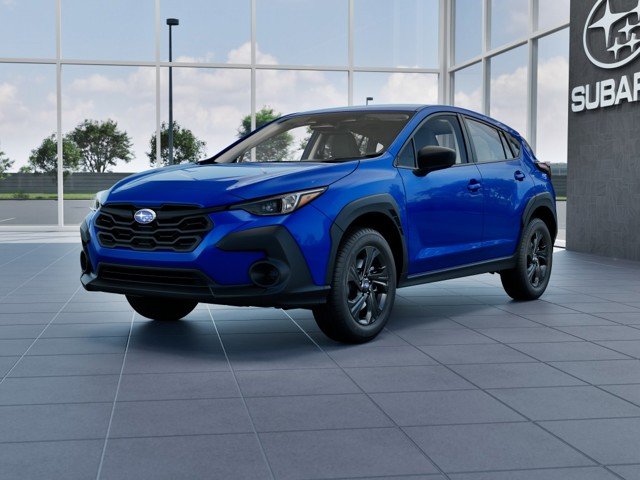
What Are the Key Financial Advantages of Leasing a Subaru?
Leasing a Subaru in typically delivers lower monthly payments and smaller upfront costs than buying, letting you drive a newer vehicle with less cash and reduced monthly strain.
Leases also let you move into a new model every few years to access updated technology and safety features as they arrive. For buyers prioritising lower monthly budgets without sacrificing quality, leasing is an appealing option.
Beyond the headline savings, leasing often simplifies budgeting because many lease packages bundle routine maintenance or include warranty coverage during the contract period. That predictability helps drivers avoid large, unexpected repair bills while the car is under manufacturer warranty.
Leasing can also be useful for people whose priorities include having the latest driver-assistance features or improved fuel economy with each new model generation. If your lifestyle or work pattern benefits from driving a current vehicle that requires minimal long-term commitment, leasing is usually the better fit.
How Does Leasing Compare to Buying in Monthly and Total Costs?
Compare both monthly and total costs when deciding. Leasing usually means lower monthly payments because you pay for the vehicle’s depreciation during the lease term rather than financing the full purchase. For example, a purchase at $400 per month versus a lease around $250 per month shows clear savings.
When assessing total cost of ownership, buyers must account for maintenance, insurance, and depreciation over the vehicle’s life. Leases often include routine maintenance and warranty coverage, which simplifies budgeting and can make leasing easier to manage financially.
To compare effectively, break costs into upfront, monthly, and end-of-term categories:
- Upfront: down payment, acquisition fees, initial taxes and registration.
- Monthly: lease or loan payment, insurance, fuel, routine maintenance.
- End-of-term: lease disposition fees, excess mileage or wear charges, or trade-in value and resale proceeds if you buy.
Consider running a side-by-side comparison for the term length you expect to keep the vehicle. Buying typically results in higher monthly payments but also creates equity that can be applied to a trade-in or sale. Leasing reduces monthly outlay but removes the equity benefit. For many buyers this trade-off is the deciding factor.
What Lease Incentives and Specials Does Subaru Offer in Pembroke Pines?
Subaru frequently advertises lease incentives and specials for models, including reduced lease rates, targeted promotions, and loyalty offers. Regional deals can lower monthly payments on popular models like the Outback or Forester.
At Subaru of Pembroke Pines you can use these local promotions to lock in favourable lease terms; current offers can reduce upfront costs and make leasing more attractive.
Typical incentives vary by model and by season. Common examples include loyalty credits for returning customers, conquest incentives for new-to-brand buyers, and reduced money factors on select trims. Always ask the dealership for the exact structure of current offers and how they apply to the model and trim you prefer.
How Do Subaru Lease Programs Work?
Subaru lease programs are built for flexibility. A standard lease is often 36 months, with 24‑ and 48‑month options available on some models, and mileage choices typically between 10,000 and 15,000 miles per year to match your driving needs.
Leases are structured around the vehicle’s expected depreciation, the lease term, the chosen annual mileage allowance, and the agreed-upon selling price. Those factors combine to determine the monthly payment and any end-of-lease obligations.
You’ll see terms described in a few standard ways: capitalized cost (the negotiated price), residual value (the vehicle’s estimated value at lease end), and the money factor (the lease equivalent of an interest rate). Knowing these definitions helps you evaluate offers and compare lease options across dealers or models.
What Are Typical Lease Terms, Mileage Limits, and Buyout Options?
Leases usually run two to four years and include mileage limits to control wear; exceeding them can trigger end‑of‑lease fees. Subaru offers buyout options so you can purchase the vehicle at its residual value if you decide to keep it.
If you’re leaning toward a buyout at lease end, confirm how the residual value is calculated and whether fees apply when converting the lease to a purchase. In some cases, a pre-agreed residual can be favourable compared with the market, while in other situations buying may not be cost-effective.
- Mileage: choose an allowance that reflects commuting and travel habits to avoid costly fees.
- Wear: document existing condition and consider end-of-lease protection plans if available.
- Buyout: ask about fees, taxes, and possible financing options for a buyout purchase.
How to Apply for a Subaru Lease at Subaru of Pembroke Pines?
To apply at Subaru of Pembroke Pines, bring identification, proof of income, and any prior lease information. The finance team will explain lease terms and model specifics so you understand your obligations.
The application is usually quick, letting you drive home your Subaru sooner. Staff guidance helps you complete the process with confidence.
Prepare questions in advance so you can compare offers. Useful questions include how fees are applied, the process for handling excess wear at return, the penalties for early termination, and whether maintenance packages are included or optional.
What Are the Pros and Cons of Buying a New or Used Subaru?
Buying provides full ownership—freedom to modify and build equity over time—but typically involves higher monthly payments, larger down payments, and exposure to depreciation.
Leasing avoids ownership and limits long‑term customisation, and mileage caps can be restrictive for high‑mileage drivers. Compare these trade‑offs against your priorities to choose the right option.
When deciding between new and used purchases, weigh warranty coverage, expected reliability, and resale value. New vehicles bring the latest features and the longest factory coverage, while well-maintained used cars—especially Certified Pre-Owned examples—can deliver value with reduced upfront cost.
- Buying new: longer ownership horizon, full warranty, latest safety/tech features.
- Buying used: lower purchase price, potentially lower insurance, but shorter or limited warranty.
- Leasing new: lower monthly cost, access to new features, but limited customization and mileage caps.
What Benefits Do Subaru Certified Pre-Owned Leasing Options Provide?
Subaru Certified Pre-Owned (CPO) lease options offer inspected vehicles with added warranties, often at lower cost than a new lease. That lets drivers access recent models with updated technology and safety without the higher price.
The reliability of CPO Subarus combined with extra warranty coverage appeals to budget‑minded drivers who still want quality, making CPO leases an attractive compromise.
CPO vehicles undergo multi-point inspections and typically include extended warranties or complimentary maintenance for a defined period. For buyers seeking lower depreciation risk while still owning the vehicle, CPO purchases can be a compelling middle ground between new and non-certified used cars.
How Do Financing Rates and Loan Terms Compare for Subaru Buyers?
If you plan to buy, review current financing rates and loan terms. In rates are competitive; buyers may see interest around 4–5% with promotional offers on select models at Subaru of Pembroke Pines.
Loan terms typically range from 36 to 72 months. Compare total payments and interest over the loan to ensure the financing fits your budget and goals—these details help you make an informed purchase.
When evaluating financing, consider the trade-off between a shorter loan (higher monthly but less interest overall) and a longer loan (lower monthly but higher total interest). Also, review any prepayment penalties and whether promotional rates require direct financing through the manufacturer or dealer.
Which Subaru Models Are Best Suited for Leasing vs Buying?
Not every Subaru suits both leasing and buying equally. Understanding a model’s strengths will help you pick the option that matches your needs.
Think about the vehicle’s typical use: daily commuter, family hauler, light off-road use, or long-distance travel. Models with strong lease incentives and predictable depreciation profiles are often ideal lease candidates, while vehicles likely to be kept beyond typical lease terms may be better purchased.
How Do Subaru Crosstrek, Outback, Forester, and Ascent Compare in Lease Deals?
The Crosstrek’s compact size and affordability often lead to strong lease offers. The Outback and Forester offer space and family‑friendly functionality, making leasing attractive for lower monthly payments. The larger Ascent may be better purchased long term despite higher upfront costs.
This comparison helps you match each model to your lifestyle and budget.
Model considerations beyond monthly payment include cargo needs, towing capability, and optional equipment. If you need roof racks, aftermarket accessories, or heavy customization, buying will usually be more suitable because leases can limit alterations.
What Features and Pricing Affect Your Lease or Purchase Decision?
Features such as advanced driver assistance systems, fuel economy, and infotainment, along with MSRP and available incentives, shape whether leasing or buying makes sense. Evaluate pricing and features to choose the right model for your daily needs.
Understanding how feature sets and incentives affect final cost lets you make practical choices aligned with what you value most in a vehicle.
Also review optional packages and factory-installed upgrades. Adding high-cost options can increase both lease payments and purchase price, so decide which features are essential before negotiating the capitalized cost or loan amount.
How Does Maintenance and Warranty Differ Between Leasing and Buying a Subaru?
Maintenance and warranty can differ notably. Leases often include routine maintenance like oil changes and rotations, reducing out‑of‑pocket costs and simplifying upkeep so you can focus on driving.
Owners may assume more responsibility for long-term maintenance beyond the warranty period, but owners also have the flexibility to select independent shops or third-party service providers that may be more economical. Consider how long you plan to keep the vehicle when estimating maintenance budgets.
What Maintenance Services Are Included with Leased Subarus at this Dealership?
Leased vehicles at Subaru of Pembroke Pines generally include maintenance packages that cover essential services, giving lessees peace of mind and helping maintain performance during the lease term.
Typical included services focus on routine items: scheduled oil changes, tire rotations, and multi-point inspections at set mileage intervals. Confirm whether items like replacement tires, brakes, or unexpected repairs are covered or excluded from the maintenance package.
How Are Warranty and Service Appointment Schedules Managed for Owners vs Lessees?
Owners usually have more freedom to choose service centres and handle warranty claims, while lessees may need to return to the dealership for certain warranty work. Know these differences to match service arrangements to your preferences.
For owners planning to keep a Subaru for many years, developing a relationship with a trusted service shop can reduce long-term maintenance costs. Lessees, by contrast, often value convenience and the reassurance of dealership-handled service within the lease term.
What Local Financing Options Does Subaru of Pembroke Pines Provide for Leasing or Buying?
Subaru of Pembroke Pines offers competitive financing and lease options tailored to local buyers. Their finance team works to secure terms that fit different budgets and needs.
Local dealerships can also help structure payments around seasonal income changes or offer special programs for returning customers. Discuss trade-in values and how credit score or down payment size impacts available rates or required security deposits.
How to Finance Your New Subaru: Application Process and Loan Features
Financing a new Subaru is straightforward: submit basic information and proof of income so the finance team can propose suitable options for your short‑ and long‑term goals.
The dealership explains loan features—repayment schedules, interest rates, and fees—so you understand the costs and can decide with confidence.
Ask about pre-approval to speed the in-dealership process and to give you stronger negotiating power when comparing loan vs lease offers. Pre-approval also helps set realistic monthly payment targets based on your preferred down payment and term length.
What Are Current APR Rates and Special Offers for Pembroke Pines Customers?
Subaru of Pembroke Pines currently offers attractive APRs often below national averages, plus rebates and promotional rates that vary by model and season. These incentives can make both leasing and buying more affordable.
Because offers change, request a written list of current specials and confirm eligibility criteria so you can compare the net cost across competing vehicles and finance structures.
What Are Common Questions About Subaru Leasing vs Buying?
Customers often ask similar questions about leasing versus buying. Clear answers help you weigh the options and avoid surprises.
Can I Buy the Car After the Lease Ends?
Yes. Most Subaru leases include a buyout option so you can purchase the vehicle at its residual value. Consider the car’s condition, market value, and your finances before deciding.
Before exercising a buyout, compare the residual price to current market listings and factor in any remaining fees or taxes. If the vehicle is well-maintained and the residual is reasonable, buying at lease end can be an efficient way to take ownership without negotiating a separate purchase price.
How Does Leasing Affect Car Depreciation and Resale Value?
Leasing shields you from resale‑value swings since you don’t own the vehicle; buyers bear depreciation, which impacts long‑term cost and resale outcomes.
If you plan to own long term, consider models with strong historical resale values because they typically cost less to own over time. If resale risk is a major concern, leasing transfers most of that risk to the lessor.
Frequently Asked Questions
What are the mileage limits for Subaru leases?
Subaru leases typically offer mileage limits of 10,000 to 15,000 miles per year. Exceeding those limits can result in additional fees, so choose a plan that reflects your driving to avoid unexpected charges.
Estimate annual mileage by adding daily commuting, weekend trips, and any seasonal travel. If your driving varies from year to year, ask about the process for adjusting mileage allowances or purchasing additional miles up front at a lower per-mile cost than paying at return.
What happens at the end of my lease?
At lease end you can return the vehicle, purchase it for the residual value, or lease a new model. Returning the car triggers an inspection for excess wear and tear—be aware of any potential fees if the vehicle isn’t in expected condition.
If you plan to return the car, prepare for the inspection by documenting existing damage and keeping records of maintenance. If you prefer a new lease, ask whether loyalty incentives apply to returning customers to reduce the new monthly payment.
Can I negotiate my lease terms with Subaru?
Yes. You can often negotiate elements like the money factor, mileage allowance, and sometimes the purchase price if you plan to buy at lease end. Come prepared with information and competing offers to negotiate terms that suit your finances.
Negotiation tips: research current national and local offers, know the vehicle’s MSRP, and be ready to discuss trade-in values or down payment flexibility. Small adjustments in the capitalized cost or money factor can lead to meaningful monthly savings.
Are leased Subarus eligible for warranty coverage?
Yes. Leased Subarus typically remain under the manufacturer’s warranty for the lease term, which usually covers major repairs. Many leases also include routine maintenance, helping minimise unexpected repair costs.
Confirm specific warranty periods for the model you choose and whether additional coverage is available for items like roadside assistance or extended service plans.
What if I want to end my lease early?
Ending a lease early is possible but often costly. Early termination can trigger fees and you may be responsible for remaining lease payments. Review your agreement and consult the dealership to understand options and penalties.
If your situation changes, ask about alternatives such as transferring the lease to another qualified driver, negotiating a trade-in for a purchase, or refinancing a buyout to spread the cost over a loan term.
Can I customize a leased Subaru?
Customising a leased vehicle is generally restricted because the dealership retains ownership. Modifications may violate the lease, so discuss options with your leasing representative. If customisation matters, buying is a better choice.
If light, reversible changes are acceptable, get written approval before modifying the vehicle and be prepared to restore the car to original condition before return to avoid charges for permanent alterations.
Do I need insurance for a leased Subaru?
Yes. You must carry insurance for a leased Subaru, often at higher coverage levels including comprehensive and collision to protect the lender’s investment. Check your lease for specific insurance requirements to ensure compliance.
Confirm minimum liability limits and any required deductibles specified in the lease. If you use the vehicle for business purposes or rideshare, disclose that use to both the dealership and your insurer to ensure correct coverage.